Disclaimer:
This content offers a general educational perspective on employee portal architecture and governance. It does not reflect any specific organization or internal system.
Introduction
Behind every enterprise portal lies a structured framework that determines how information is presented and maintained. Informational resources explain these frameworks to help users understand platform logic at a conceptual level.
Conceptual Platform Architecture
Platform architecture refers to the arrangement of content layers, access roles, and publishing workflows. Rather than technical diagrams, educational platforms describe architecture in simplified terms accessible to non-specialists.
Enterprise Portal Governance
Governance defines how content is approved, updated, and retired. Clear governance supports accuracy and consistency across digital resources.
System Functions and Oversight
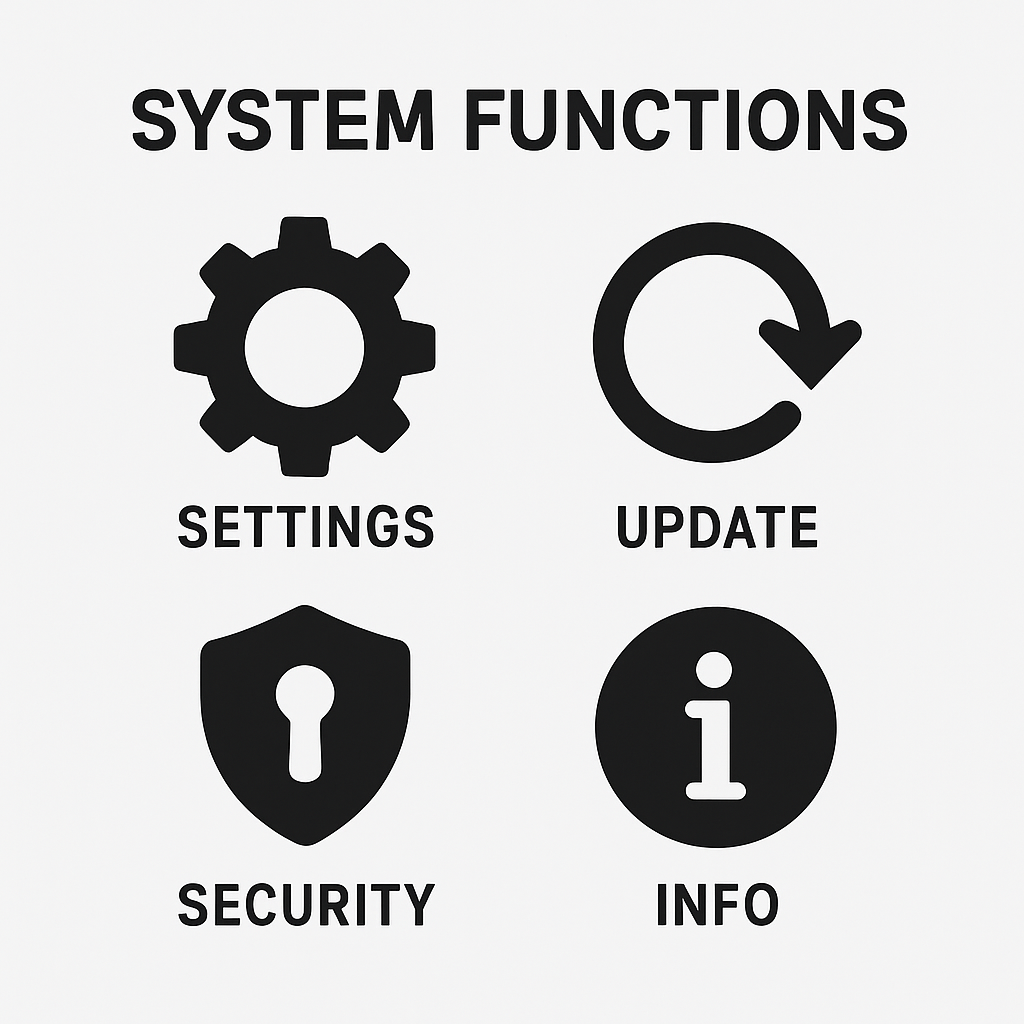
System functions related to governance may include version tracking and update scheduling. These processes operate in the background and are rarely visible to users.
Platform Tools Supporting Structure
Platform tools help maintain structural integrity by enforcing templates and content standards. This consistency supports usability across the digital workspace.
Informational Context and Terminology
Search variations such as upsers, upser, or upers often reflect user attempts to understand corporate portals. Educational resources treat these terms as contextual references rather than official identifiers.
Responsible Interaction
Users benefit from understanding that enterprise portals operate within defined organizational rules. Informational materials emphasize adherence to official guidance.
Conclusion
A high-level understanding of platform architecture and governance enhances transparency and supports more effective interaction with enterprise portals.
Final Disclaimer:
This material is not affiliated with any organization or official platform. Users should rely on internal documentation for authoritative information.